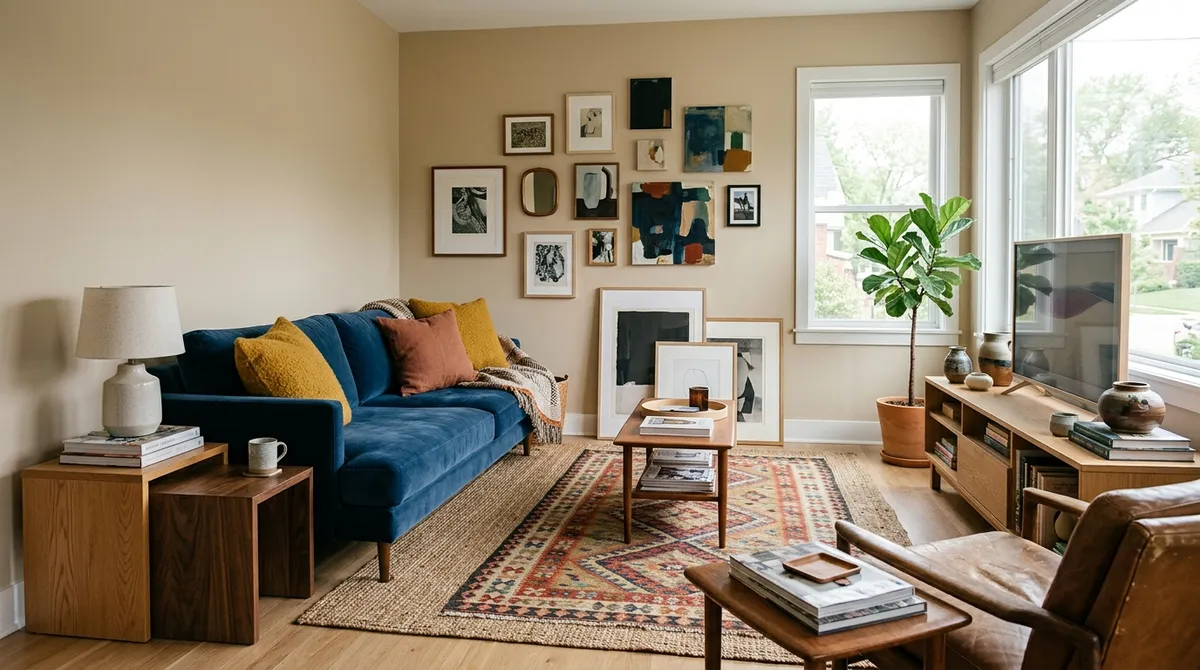
TL;DR: As we approach 2026, it's time to say goodbye to certain living room trends that feel dated. Discover stylish and practical alternatives to ensure your space feels fresh and lived-in.
The Shift in Living Room Trends
It’s fascinating how quickly home trends evolve. Designers are already waving goodbye to what they see as the living room trends of yesteryear, pushing us toward warmer, more personalized spaces. As we prepare for 2026, let’s explore the outdated styles that have overstayed their welcome and what we can do instead to breathe new life into our homes.
1. The Neutral RH Aesthetic
What It Is: The all-beige, neutral colors made famous by Restoration Hardware (RH) have been a go-to for a chic, polished look.
Why It’s Out: Neutral tones can feel sterile and uninviting. Today, homeowners prefer spaces that reflect their individuality.
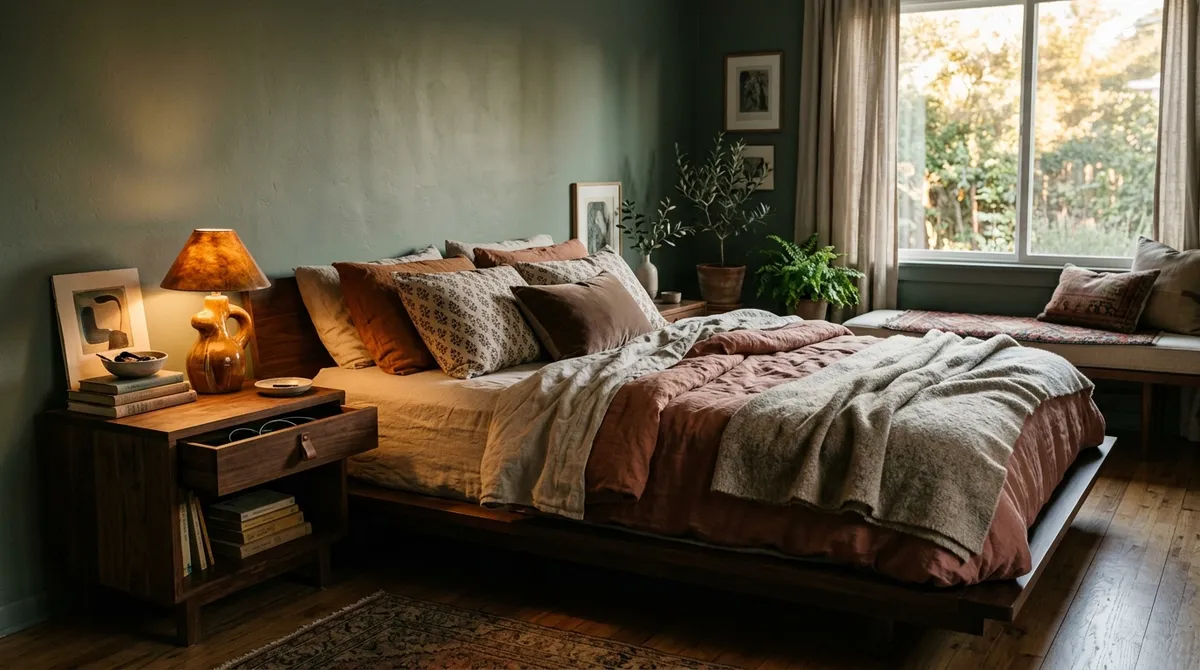
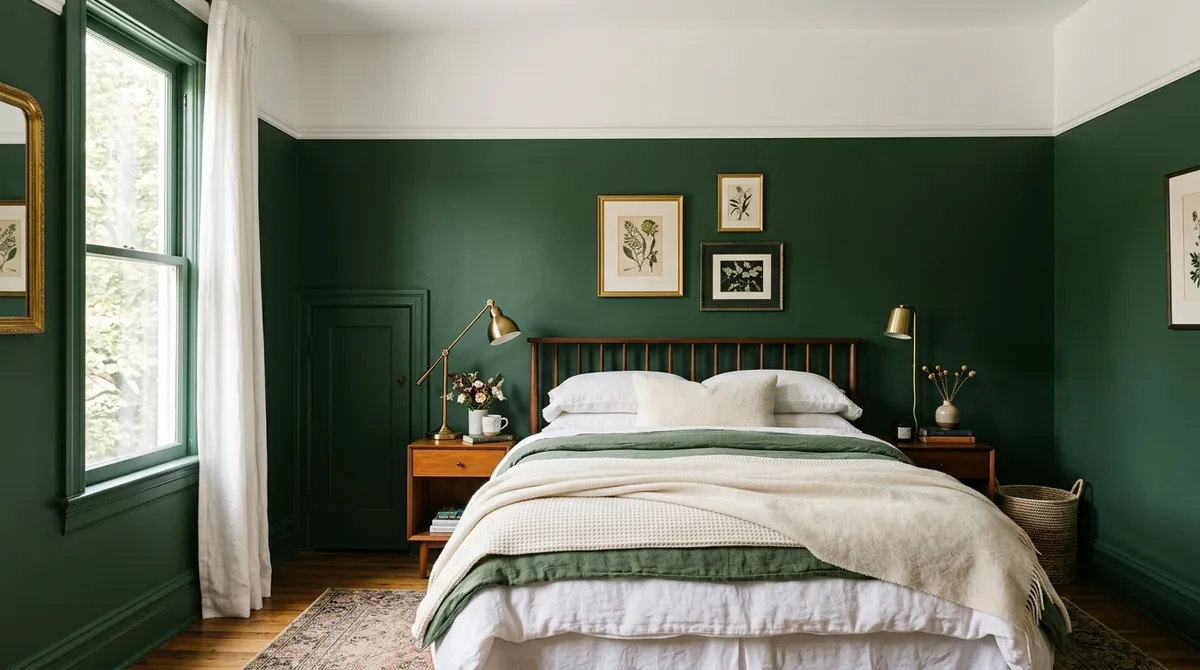
What to Do Instead: Incorporate varied color palettes! Consider rich jewel tones or earthy hues that create warmth and invite comfort. Adding colorful throw pillows or a vibrant area rug can make a world of difference.
2. Hidden TVs
What It Is: Concealing your TV within furniture or cabinetry for a cleaner look has been all the rage.
Why It’s Out: This trend promotes a disconnection from living space functionality. Who wants to hide away such a crucial part of modern living?
What to Do Instead: Design your living room around your TV! Make it a statement piece by framing it with shelves filled with books or art. Choose a media console that complements the room's aesthetic without sacrificing practicality.
3. An Industrial Influence
What It Is: Hard materials, exposed beams, and metallic finishes have ruled design trends for years.
Why It’s Out: While industrial elements can add character, too many can create a cold and impersonal atmosphere.
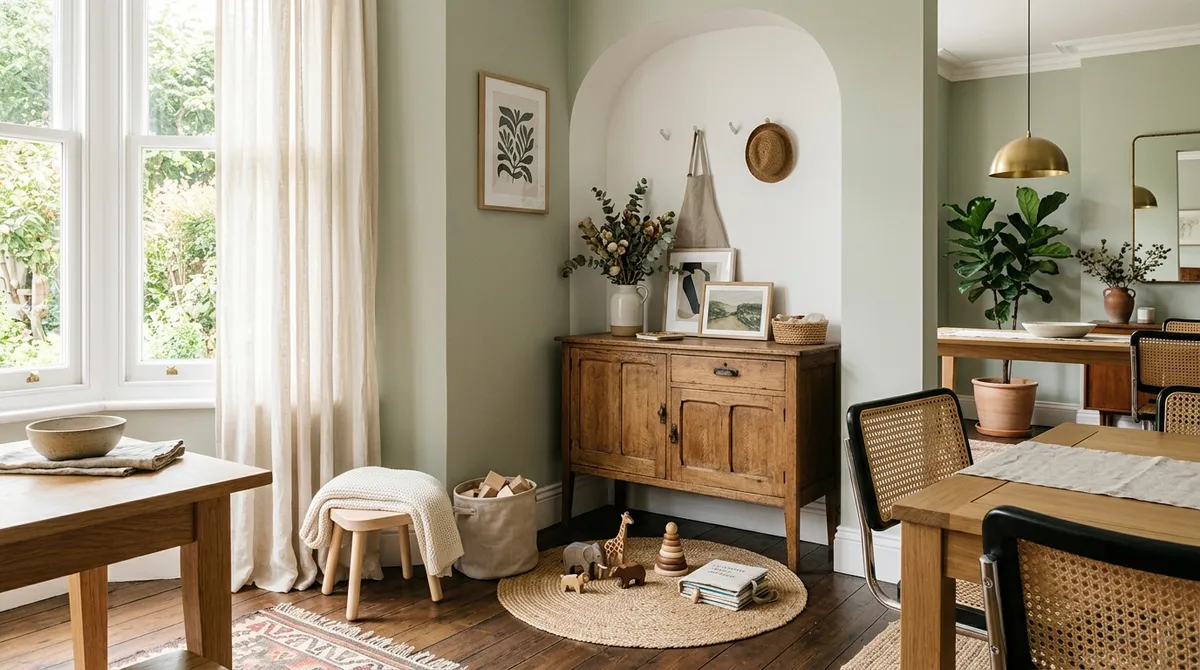
What to Do Instead: Mix in softer textures and natural materials. Try bamboo, wood, or woven fibers to add warmth to your living room alongside those industrial touches. A cozy textile can help balance the look without losing the character.
4. Rounded Bouclé Chairs and Sofas
What It Is: Bouclé fabric, known for its soft, textured appearance, has been favored for furniture pieces.
Why It’s Out: While visually appealing, many find these pieces impractical, especially in high-traffic areas where durability is key.
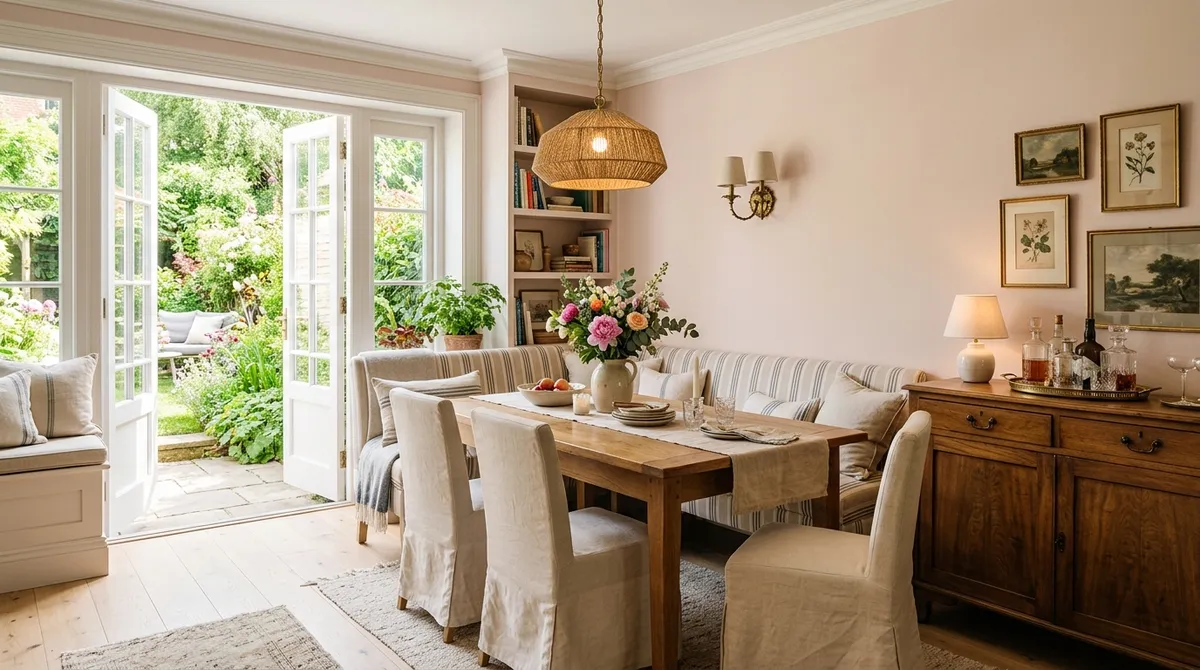
What to Do Instead: Instead of solely opting for bouclé, explore chic natural fabrics like linen or cotton that offer both aesthetics and resilience. Consider incorporating chairs that combine comfort with a classic design—think of puffy cushions in a twist on modern elegance.
5. Gallery Wall Grids
What It Is: The perfectly aligned gallery wall has long been a hallmark of taste and sophistication.
Why It’s Out: When every piece is styled to perfection, the space can feel more like a showroom than a home filled with stories!
What to Do Instead: Create a gallery wall that's eclectic and reflective of your journey. Mix different frame styles, colors, and images, including personal photos, art, and even children's drawings. Let it tell a story about you instead of adhering to rigid structures.
6. Matching Wood Tones
What It Is: Consistency in wood tones used for furniture and floors has been the hallmark of classic decor.
Why It’s Out: It can lead to a lack of depth and interest within a space.
What to Do Instead: Embrace the beauty of mixed wood tones! Layering different shades and types of wood can add depth and character. Consider pairing a light wood coffee table with darker wooden shelves or seating for an effortlessly coordinated yet interesting look.
Conclusion
As we look ahead, the key to a successful living space lies not in following trends blindly, but in creating an environment that resonates with who you are. By steering clear of these dated trends and opting for personalized, functional designs, you’ll find your living room becoming a warm, inviting, and most importantly, lived-in space. Happy decorating!