Creating Intimacy in Large Spaces
When it comes to luxury home design, bigger isn't always better—at least not when it comes to creating a welcoming atmosphere. Designer Ali Henrie's recent project in Bluffdale, Utah, proves that even a massive 25,000-square-foot new-build can feel surprisingly intimate and personal through strategic design choices.
According to reports, Henrie's approach centers on layered materials, custom furnishings, color, and texture to create what the design world is calling "relaxed sophistication"—a curated look that avoids chasing trends while maintaining comfort and warmth.
The Challenge of Scale
Large homes present unique design challenges that many homeowners face, even on a smaller scale. The primary issue is preventing spaces from feeling empty, cold, or hotel-like despite their generous proportions. Henrie's solution involves creating thoughtful gathering spaces throughout the home that serve as intimate zones within the larger structure.
The project taps into current design trends favoring lifestyle-driven amenities and warmer, less formal interiors—a shift away from the stark minimalism that dominated luxury design in previous years.
Smart Zoning Strategies
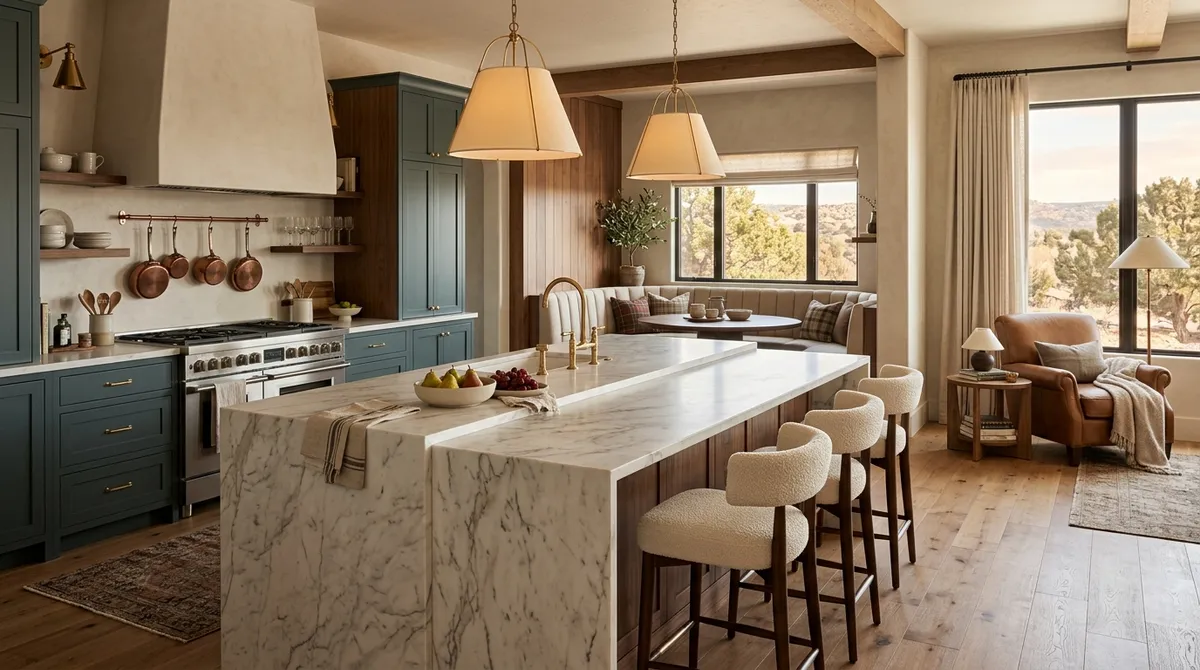
One of the standout features in Henrie's design is a 17-foot kitchen island that demonstrates how to handle oversized spaces effectively. Rather than letting such a massive element dominate the room, the designer used zoning techniques to break down the scale and create distinct areas for different activities.
This approach can be applied to any large or open-concept space. By creating defined zones within a single room, homeowners can maintain the benefits of an open floor plan while ensuring each area serves a specific purpose and feels appropriately scaled.
Material Choices That Matter
According to reports, plaster walls play a significant role in achieving the home's warm, intimate feeling. Unlike painted drywall, plaster adds subtle texture and depth that helps soften large expanses of wall space. This material choice demonstrates how surface treatments can dramatically impact the perceived scale and comfort of a room.
The layering of different textures throughout the home creates visual interest and helps break up what could otherwise feel like overwhelming expanses of space. This technique works equally well in smaller homes, where thoughtful material choices can add sophistication without requiring major structural changes.
Family-Friendly Luxury Design
Despite its luxury status, the home maintains a family-friendly environment through careful design choices. The children's rooms showcase how to create playful spaces that are designed to grow with the occupants, avoiding overly themed or juvenile approaches that quickly become outdated.
This balance between sophistication and practicality reflects broader trends in luxury design, where families want spaces that look polished but can withstand daily life. The key lies in selecting durable materials and timeless design elements that photograph beautifully but also function well for everyday use.
Reading Nooks and Gathering Spaces
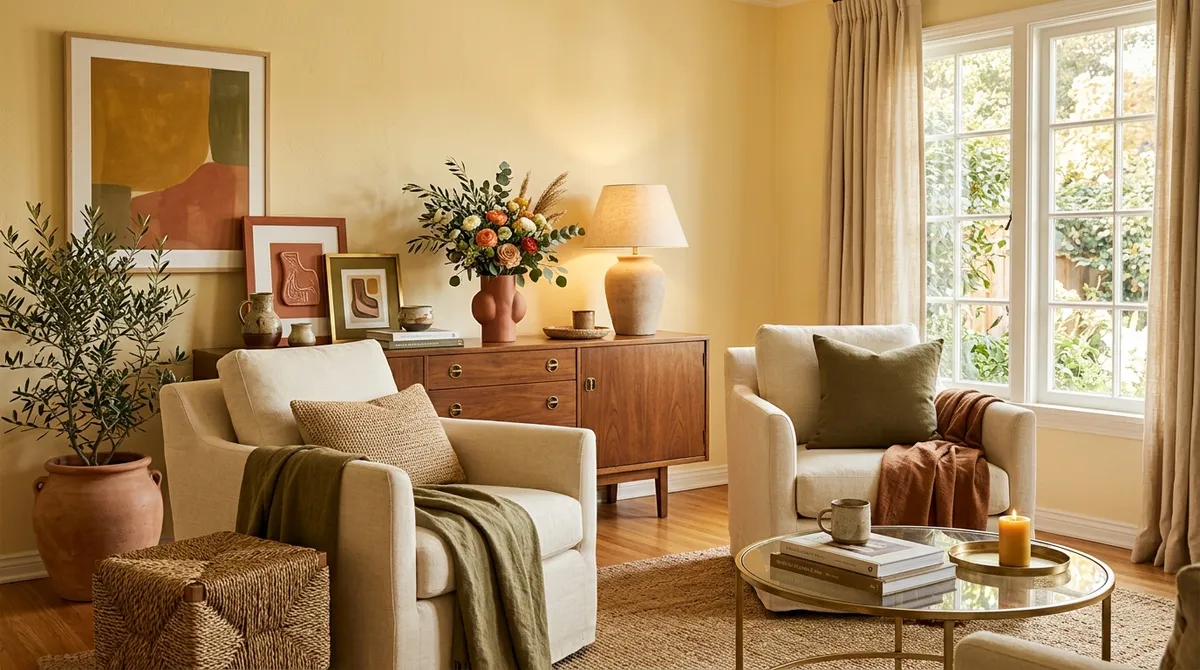
The inclusion of reading nooks and strategically placed seating areas throughout the home demonstrates another effective strategy for making large spaces feel intimate. These smaller, more enclosed spaces provide retreat areas that offer a sense of coziness within the larger structure.
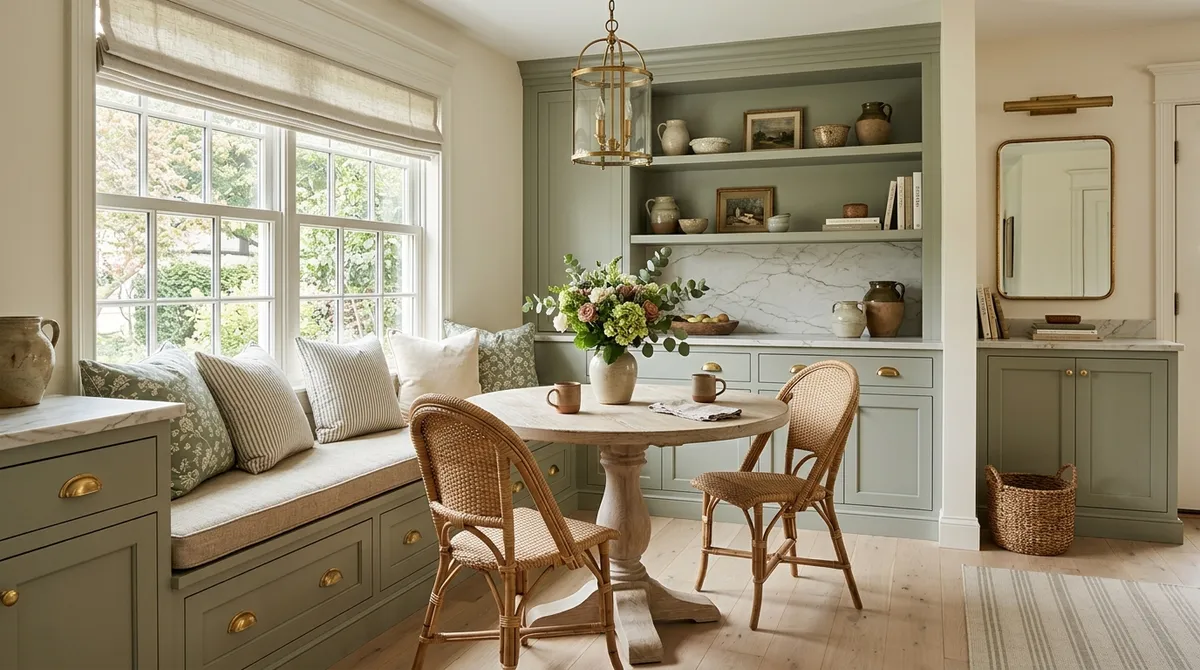
Banquettes and built-in seating serve dual purposes: they provide comfortable gathering spots while also helping to define and separate different areas within open-concept layouts. These elements can be incorporated into homes of any size to create more intimate conversation areas.
Translating High-End Design
While not every homeowner has 25,000 square feet to work with, the design principles demonstrated in Henrie's project can be adapted for everyday homes. The focus on layered textures, thoughtful zoning, and creating multiple gathering spaces within a single home applies to any scale.
The project serves as a practical design lesson in balancing scale with comfort, showing that luxury doesn't have to mean formal or unwelcoming. By prioritizing warmth and functionality alongside visual appeal, designers can create spaces that feel both sophisticated and livable.
The Future of Luxury Design
This project represents a broader shift in luxury home design toward spaces that prioritize lifestyle and comfort over pure opulence. As homeowners increasingly value authenticity and livability, designers are finding ways to incorporate high-end materials and custom elements while maintaining the casual, family-friendly environments that support daily life.
The success of Henrie's approach suggests that the future of luxury design lies not in showing off wealth through ostentatious displays, but in creating beautiful, functional spaces that genuinely enhance the lives of those who inhabit them.