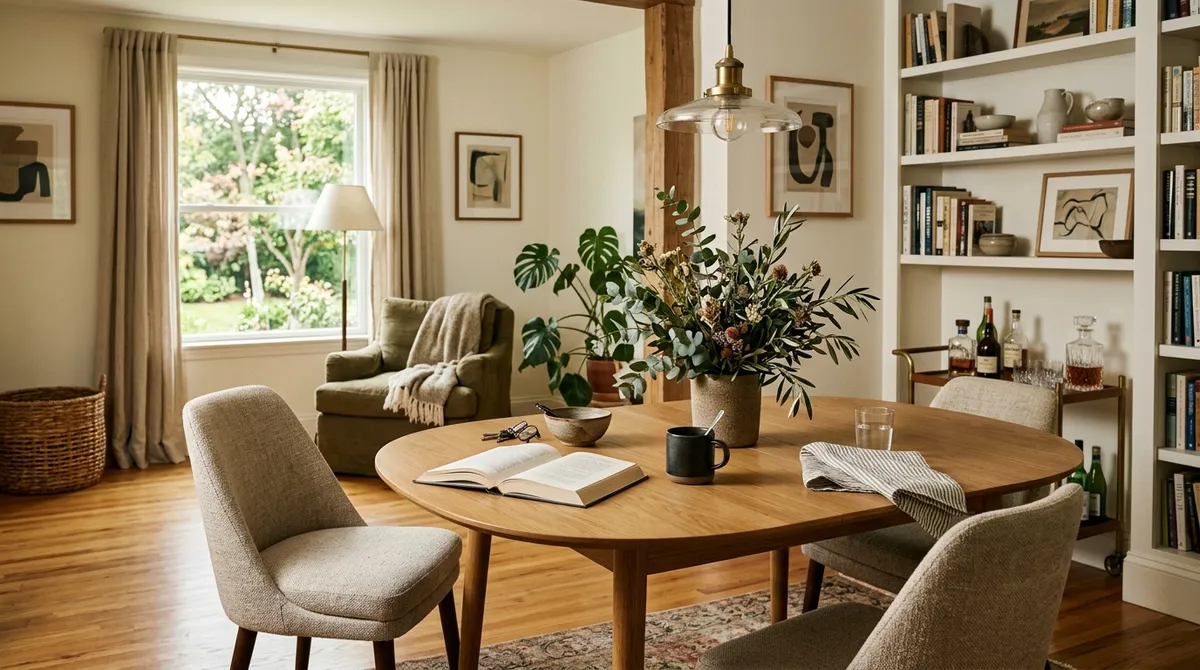
The separate dining room is having a moment. As enthusiasm for open-plan living begins to cool, homeowners are rediscovering the appeal of a distinct, characterful space dedicated to eating, gathering, and slowing down. The challenge, though, is a familiar one: how do you stop that room from feeling stiff, cold, and reserved only for Christmas dinner?
The answer, according to interior design thinking, lies in placement, flexible function, softer furniture choices, and the kind of lived-in details that make a space feel genuinely welcoming.
Rethink What the Room Is Actually For
One of the strongest arguments for reviving the dining room is that it doesn't have to be just a dining room. The most successful versions of this space are being reimagined as multifunctional retreats — places where you might read in the morning, work at the table in the afternoon, host friends in the evening, or enjoy a quiet drink before bed.
Thinking of the room as an everyday retreat rather than a formal entertaining space changes everything about how you approach it. The goal shifts from impressive to liveable, and that shift is where good design begins.
Choose Furniture That Invites You In
Table shape matters more than many people realise. Oval and round tables are worth serious consideration because they naturally soften the atmosphere of a dining room. Without sharp corners anchoring the four walls, the space feels less rigid and more conversational — easier to gather around informally, whether there are two people or eight.
Beyond the table itself, introducing an armchair or two into the dining room is a simple but effective trick. Seating that doesn't belong strictly to the dining set signals that the room is for lingering, not just eating. It's an invitation to stay a little longer.
Add Elements That Encourage Daily Use
If a room has nothing in it except a table and chairs, there's little reason to spend time there outside of mealtimes. Adding a bar cart or drinks station gives the room a secondary purpose and makes it a natural place to gravitate toward in the evening. Plants bring life and warmth to what can otherwise feel like an underused corner of the house.
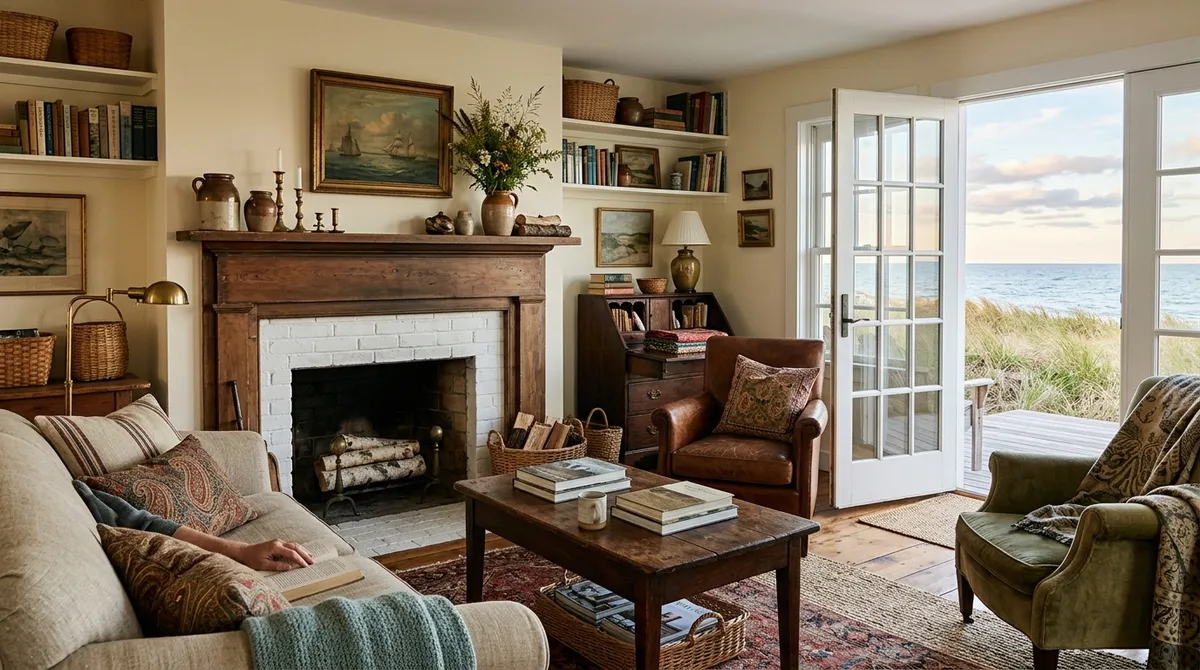
The dining room-library hybrid is another idea gaining traction in interior design circles. Lining the walls with bookshelves creates a cosy, layered atmosphere that makes the room feel curated and personal rather than purely functional. It also gives you a reason to be in the space even when you're not eating.
Style the Table Like It's Always Ready
An empty, bare table can make a dining room feel abandoned. Styling the table — even simply, with a plant, a candle, or a small collection of objects — signals that the space is alive and in use. It doesn't need to be elaborate. The point is to make the table feel like the centre of something, rather than a surface waiting to be needed.
This kind of everyday styling is one of the easiest ways to shift how a room feels. A dining table that looks dressed and considered draws people toward it. One that looks empty tends to stay that way.
Use Atmosphere to Do the Heavy Lifting
Lighting is one of the most powerful tools in a dining room. A well-chosen pendant light above the table creates intimacy and focus, pulling attention inward and making the space feel intentional. Warmer tones work particularly well here, softening the room and making it feel more like a retreat than a formal setting.
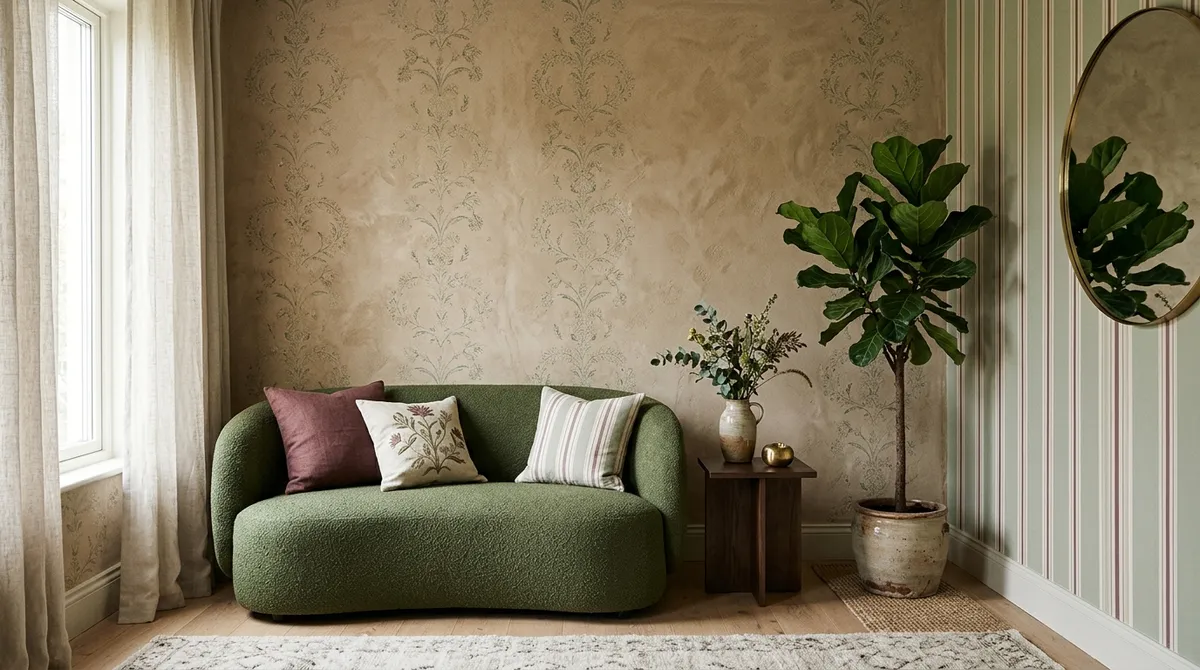
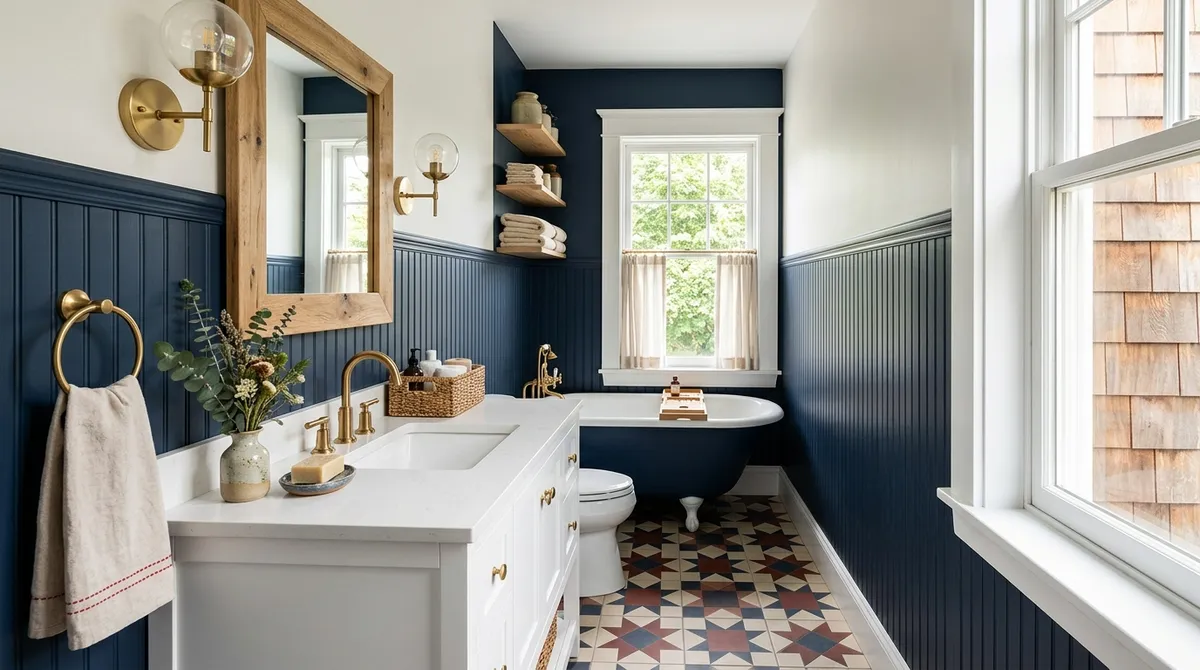
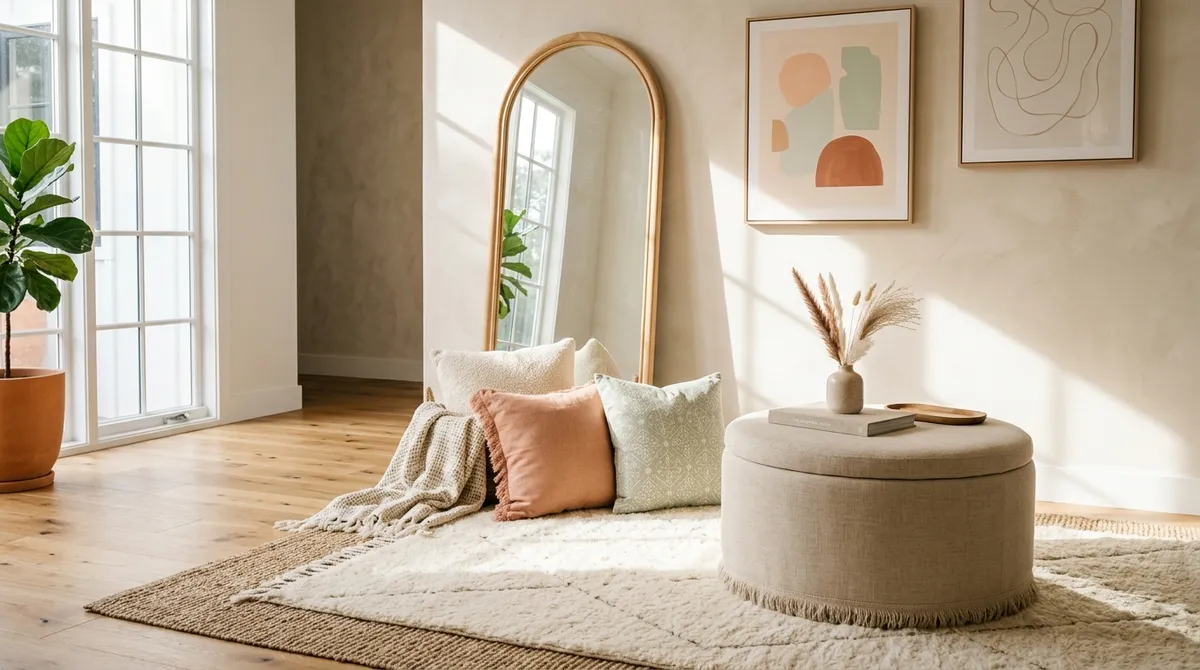
Colour and texture play a similar role. Richer, deeper tones on the walls — or even just one feature wall — can give a dining room the kind of character that makes you want to spend time in it. Softer textiles, whether on chair seats, in curtains, or through a rug underfoot, add warmth and reduce the sense that a room is too polished to actually use.
Let It Reflect Your Life
Perhaps the most important principle behind a dining room that actually gets used is personalisation. Spaces that feel generic or overly curated tend to feel untouchable. Rooms that reflect the people who live in them — through art, objects, books, plants, or a particular colour choice — feel like somewhere you'd genuinely want to be.
As open-plan living continues to evolve and homeowners look for spaces that offer separation and atmosphere, the dining room is emerging as one of the most interesting rooms to reimagine. Done well, it can become one of the most-used rooms in the house — a place for daily rituals, quiet moments, and the kind of unhurried time that's increasingly hard to find.